Local SEO for Small Business
Think about the last time you needed a plumber, an electrician or a new place to get your hair cut. You probably searched online, looked at a few businesses, read some reviews and decided who to contact.
Your potential customers are doing the same thing. Local SEO helps your business become one of the options they consider when searching for what you offer.
We've put together this collection of local SEO guides, free tools and checklists to help you understand how local search works and what you can do to improve your visibility.
You'll find everything from setting up your Google Business Profile and correcting inconsistent business listings to building your online reputation and developing a local SEO strategy. You don't need a background in digital marketing to get started.
What Local SEO Means for a Small Business
Local SEO is the work you do to improve your business's visibility when someone searches for a product or service in a particular geographic area. That includes Google Maps, the local pack and organic search results.
For example, if you own a roofing company in Pasadena, you want to appear when someone nearby searches for roof repair, a roofing contractor or help with a leaking roof. Getting thousands of website visitors from places you don't serve isn't going to do much for your business.
According to BrightLocal's 2026 research into local consumer search behavior, 84% of the US consumers surveyed had searched online for a local business within the previous three months.
The study also found that 72% considered no more than three businesses and 75% reached a decision within 30 minutes. Your visibility matters, but so does the information people find about you once they start comparing their options.
Google isn't the only place customers look for local recommendations. Review platforms, social media and AI search tools are also part of the process, which is why it's worth paying attention to your business's presence beyond Google.
If you're new to search engine optimization, start by learning how local SEO works and why it matters for your business.
Our explanation of the business listings that appear in Google's local pack will help you understand where your business can show up. If you also serve customers outside your immediate area, read about the differences between targeting local and national search audiences.
How Google Ranks Local Businesses
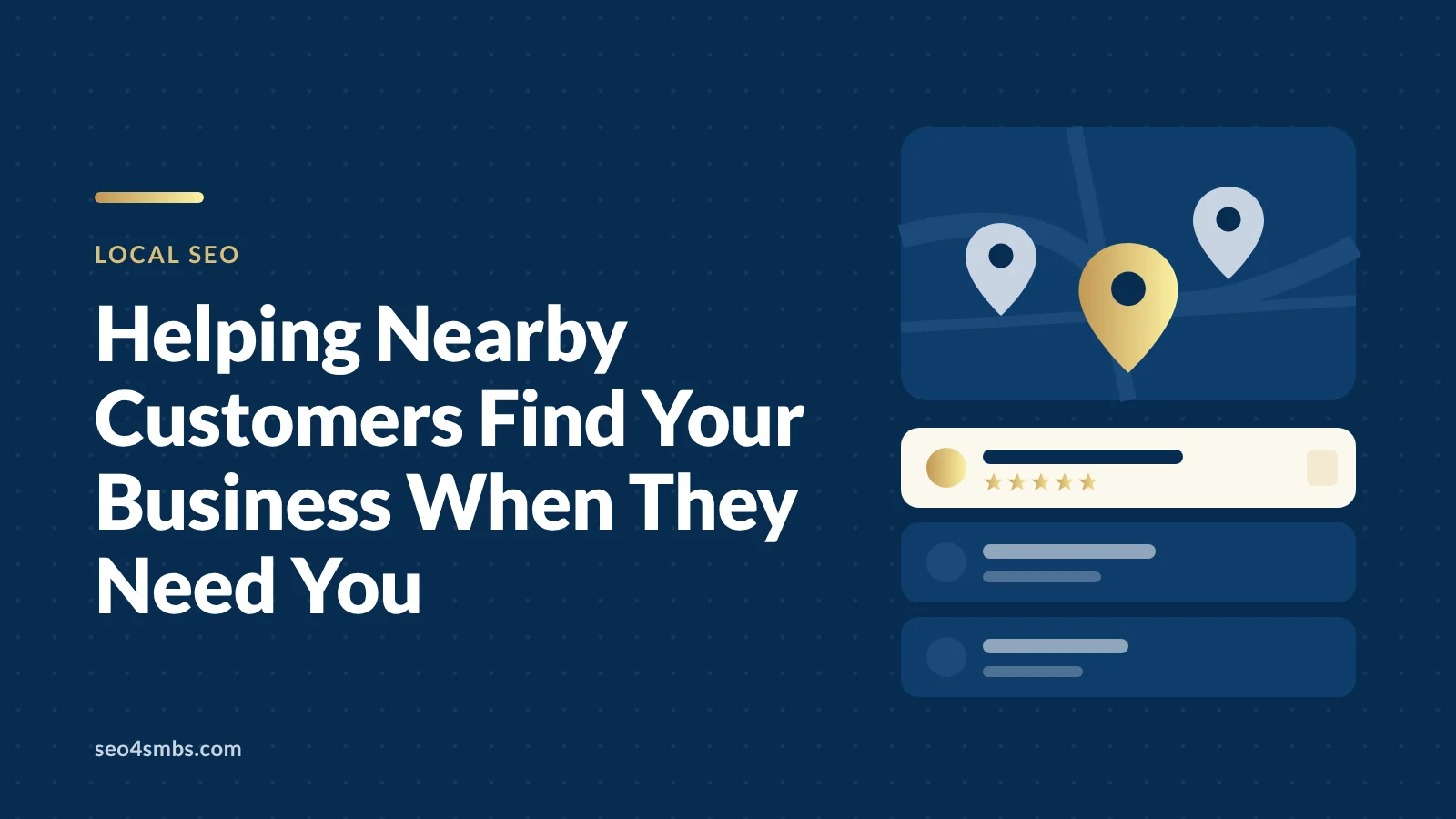
Before you start making changes to your website or Google Business Profile, it helps to understand what Google considers when deciding which businesses to display.
In its documentation on improving local search rankings, Google identifies relevance, distance and prominence as its three primary considerations. You'll also hear prominence described as a business's popularity.
Relevance
Relevance describes how closely your business matches someone's search. Providing accurate categories, business information and service details helps Google understand what you offer.
If you're an electrician who installs EV chargers, for example, that service should be reflected in your business information and website content.
Distance
Distance accounts for how far your business is from the person searching. This explains why you might appear near the top of Google Maps when searching from your office but see different results from another part of town.
Adding more cities to your Google Business Profile service area doesn't automatically improve your rankings in those cities.
Prominence or Popularity
Prominence relates to how established and well known your business is. Google identifies links from other websites and customer reviews as information that can contribute to this assessment.
These are areas where you can focus your efforts over time by maintaining a good online reputation and building a credible presence on the web.
Google also makes it clear that you cannot purchase better organic local rankings. Keep that distinction in mind when evaluating advertising options or speaking with an agency that promises guaranteed placement.
We've covered these signals in greater detail in our guide to the factors that influence local search visibility in 2026.
Where to Start With Local SEO
When you're running a small business, you probably don't have several hours a day to spend learning SEO. The good news is that you don't need to tackle everything at once.
In our experience, getting the fundamentals right before moving on to more advanced strategies is a much better use of your time. Here's the order we recommend starting in.
Claim, verify and complete your Google Business Profile. Make sure your business categories, hours, contact information and service details accurately reflect what you offer. Our guide walks you through setting up and optimizing your business listing.
Review your business information across the web. Look for outdated phone numbers, former addresses and inconsistencies in how your business is listed. Learn how to keep your name, address and phone number consistent.
Make asking for honest customer feedback part of your normal business process. Respond to both positive and negative reviews, and follow Google's policies when requesting them. We've put together resources for earning and managing customer reviews.
Review your website's service and location content. Make sure potential customers can find information about the work you do and the communities you serve. Our guide to creating useful location pages for your website includes a template to help you get started.
Look for opportunities to earn relevant local mentions and links. Think about existing relationships with suppliers, professional associations and community organizations. Here are 30 ways service businesses can build local links.
Keep track of your progress. Monitor available profile performance metrics, including call button clicks, website clicks and direction requests where applicable. Use our template for tracking your local search performance to organize the data.
If you'd rather work through everything in one place, download our 2026 checklist for improving your local search presence and work through it at your own pace.
Google Business Profile Guides
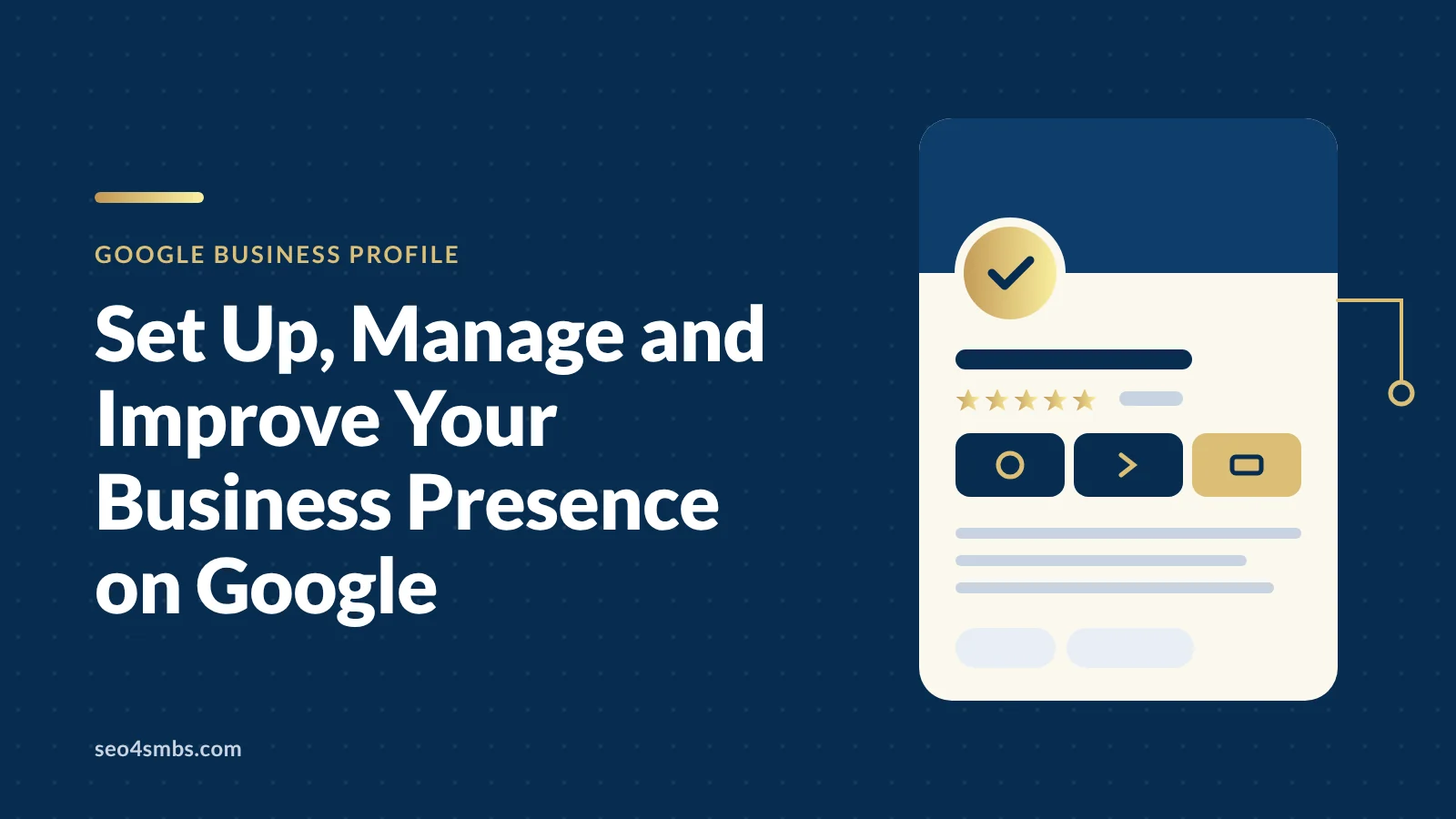
Your Google Business Profile, formerly known as Google My Business, gives potential customers access to your business information directly through Google Search and Maps.
Someone can check your hours, read your reviews, look at photos and call your business without ever opening your website. Keeping that information accurate and useful is an essential part of managing your local search presence.
We've organized the following guides around the different stages of managing a Business Profile, from getting verified to dealing with more complicated issues such as suspensions.
Setting Up and Optimizing Your Profile
- A complete walkthrough of Google Business Profile optimization
- How to improve your visibility in Google Maps
- Understanding your options for verifying a business on Google
- Setting up service areas without violating Google's guidelines
- Organizing your business listings with profile labels
- Understanding the changes to Google's business Q&A feature
- Getting familiar with your Business Profile dashboard
Understanding the Platform
Google continues to change how customers interact with business listings. Its introduction of Ask Maps in 2026 is one example of how AI is becoming part of the local search experience.
If your listing has already been suspended and you're having trouble getting it restored, we can help you identify potential violations and prepare a reinstatement appeal. Google makes the final decision about restoring your profile.
If you'd prefer to have someone manage the optimization work for you, we also offer professional support for improving your Google Business Profile.
Citations and NAP Consistency
A local citation is an online reference to your business that typically includes some or all of your name, address and phone number. In local SEO, you'll often hear these three details referred to as NAP.
These references can appear on business directories, review platforms, social media profiles and websites specific to your industry.
Imagine a customer finding your business in a directory, calling the number listed and reaching someone else because you changed phone numbers two years ago. That's a potential customer you could have lost without knowing about it.
Keeping your business details consistent also helps reduce conflicting information that search engines encounter when gathering information about your company.
If you've recently moved, changed your business name or updated your phone number, reviewing your existing citations is a good place to start. Businesses that operate from a private residential address should also account for whether that address is appropriate to publish publicly.
Citation and NAP Guides
You can also use our free tools to look for inconsistencies in your business details and check where your business is listed online before deciding which listings need attention.
Reviews and Your Local Reputation
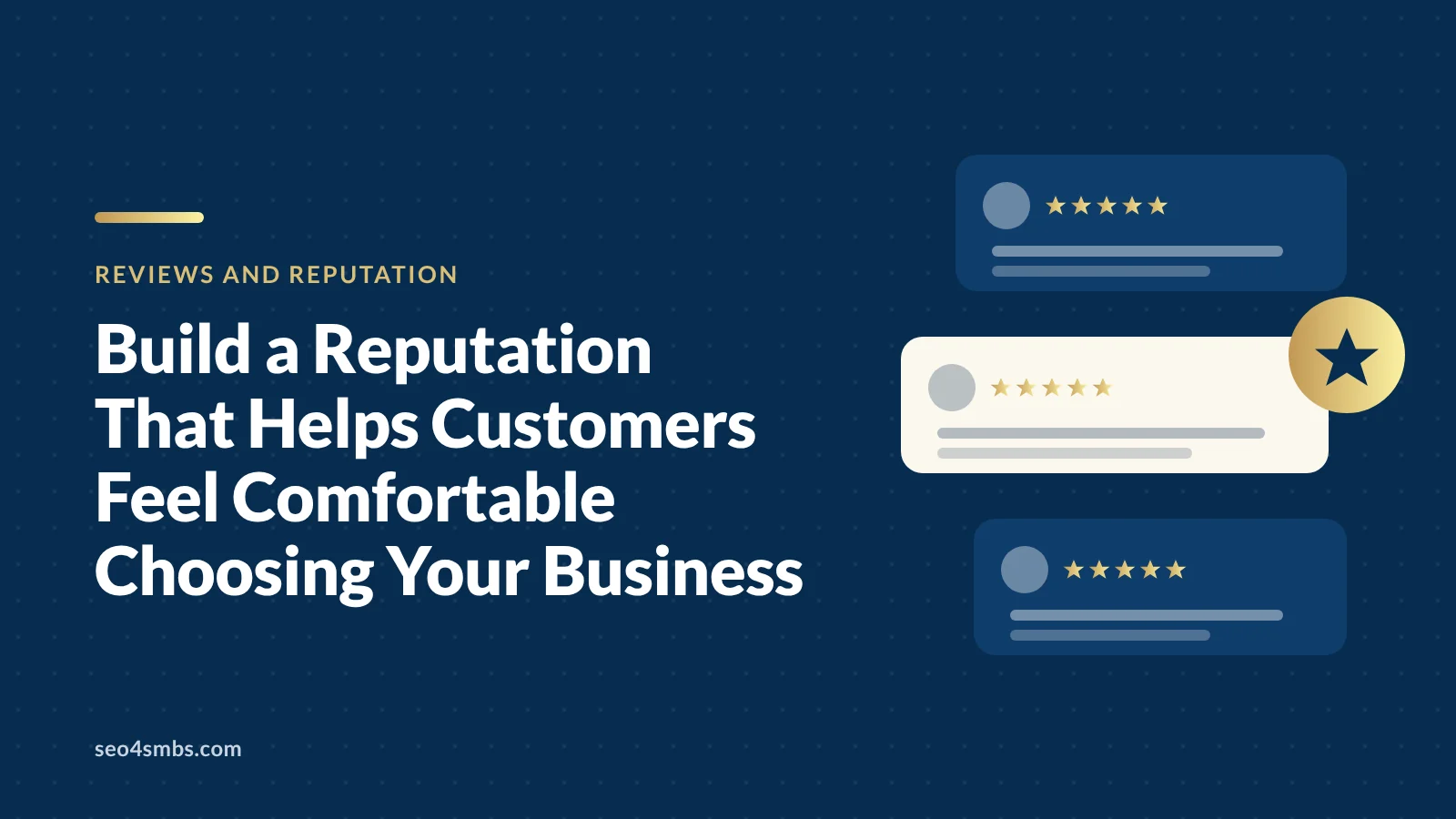
Customer reviews serve two different purposes. They help potential customers evaluate your business, and according to Google's local ranking documentation, they can contribute to your visibility in local search results.
Getting someone to find your business doesn't necessarily mean they're going to hire you. They may want to know if you show up on time, communicate well, charge fairly and stand behind your work.
Those are the kinds of things customers often look for when reading reviews from people who have already worked with you.
of consumers read reviews for local businesses
won't use a business with fewer than 20 reviews
visit the website after reading favorable reviews
review platforms used by the average consumer
Source: BrightLocal Local Consumer Review Survey 2026
BrightLocal's 2026 Local Consumer Review Survey found that 97% of consumers read local business reviews. Nearly half of those surveyed, 47%, said they would not use a company with fewer than 20 reviews.
The research also found that 54% visit a company's website after reading favorable reviews and that consumers use an average of six review platforms.
That tells you something about the relationship between your online reputation and your website. Reviews may give someone enough confidence to look into your business, but your website still needs to answer their questions and make it easy to contact you.
When asking for reviews, give customers the opportunity to share their honest experience regardless of whether you expect positive or negative feedback. Google's policies on review manipulation prohibit offering incentives and selectively requesting positive reviews.
We've developed a collection of guides covering how to build and manage your reputation through Google reviews, including requesting feedback, responding to complaints and understanding Google's review policies.
You can also create a direct link to your Google review page to share with customers after completing a service.
Free Local SEO Tools
You don't need to subscribe to several expensive SEO platforms to start understanding your business's local search performance. We offer free tools that help you review different aspects of your online presence and identify areas that may need improvement.
Start with the tool that addresses your immediate concern. If you're struggling to appear in Google Maps, for example, reviewing your map visibility and Business Profile makes more sense than starting with a list of content ideas.
Audits and Checkers
An automated audit or checker can give you a starting point, but its results shouldn't be treated as a complete explanation of how Google ranks your business. Use the findings alongside what you know about your customers, competitors and market.
Explore our full collection of free SEO tools and website resources. If you're interested in understanding the data behind the results, we've also explained how our tools collect and evaluate information.
Local SEO Checklists and Templates
One of the challenges of managing your own SEO is keeping track of what you've already done and what still needs attention. That's where a good checklist or reporting template comes in handy.
We've put together resources you can use to plan your work, organize recurring tasks and document your progress. They're also useful if you're working with an agency and want a better understanding of what should be included in your SEO plan.
Adapt these resources to your business rather than treating every task as equally important. A company with a well established website and an incomplete Business Profile will have different priorities than a new business starting from scratch.
Download and Use
- A complete local SEO checklist for 2026
- A checklist for reviewing and optimizing your Google business listing
- A template for reporting Google Business Profile performance
- A monthly reporting template for local search performance
- A template for outlining a local SEO project
- A framework for planning Google Business Profile optimization work
Local SEO for Service Area Businesses
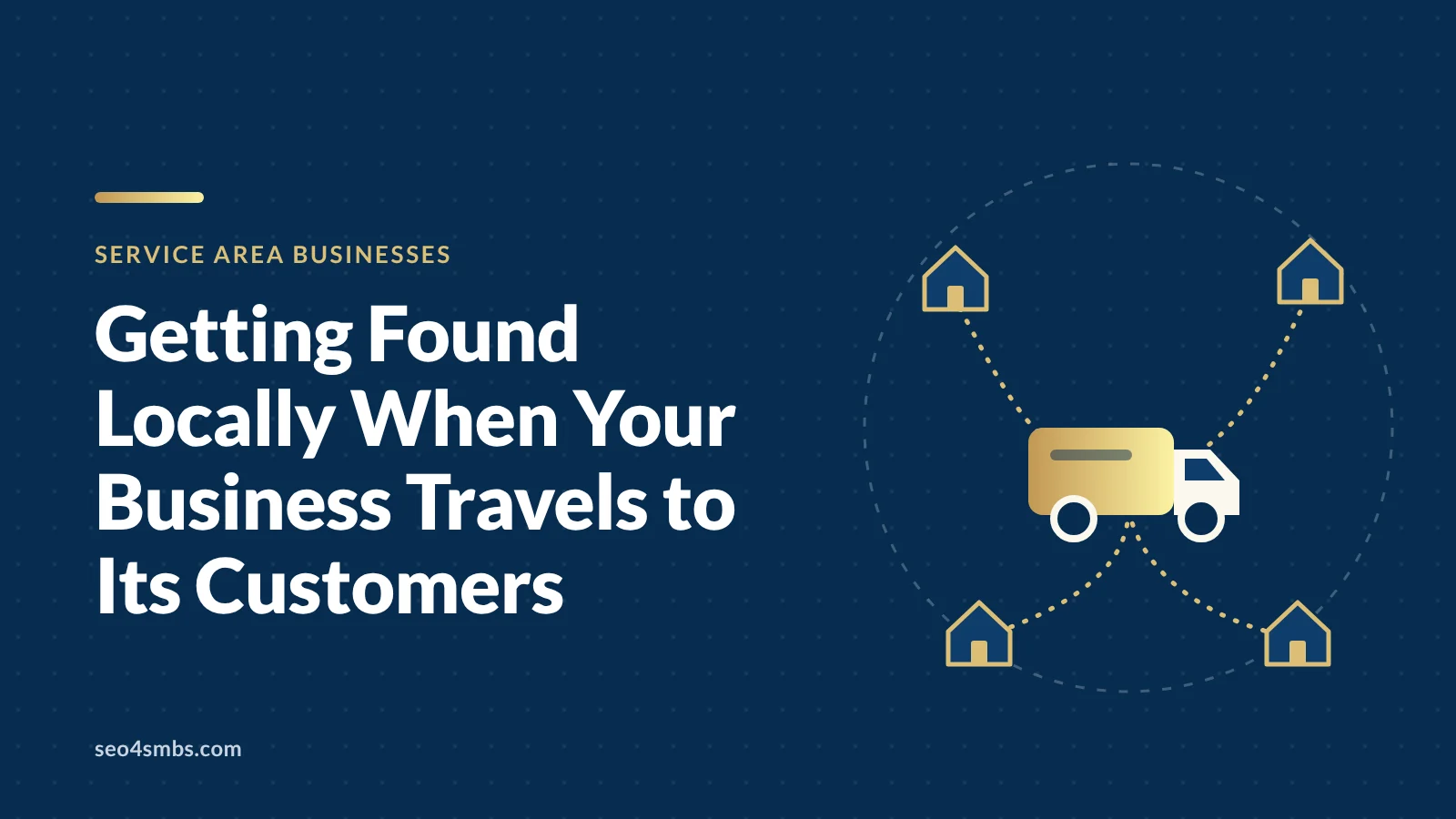
If you're a plumber, landscaper, cleaning company or contractor, your customers probably don't come to your office. You go to them, and Google has a separate set of Business Profile guidelines for businesses that operate this way.
According to Google's guidelines for representing your business, businesses that exclusively serve customers at their locations should hide their address from the public.
Google also advises that your designated service area generally shouldn't extend more than approximately two hours of driving time from your business's base, although larger areas may be appropriate in some circumstances.
When it comes to your website, publishing a separate page for every surrounding city isn't necessarily the right approach. Creating nearly identical pages for the purpose of ranking across multiple locations can fall under Google's policies against doorway abuse.
Focus instead on developing location content that gives potential customers useful information about your services in their community.
We've covered profile configuration, service areas and location content in our guide to getting found in local search without a storefront.
If your business operates across multiple markets, our explanation of developing an SEO strategy across a larger geographic region can help you plan your approach.
For business owners who would prefer professional assistance, we specialize in improving search visibility for companies that travel to their customers.
Local SEO by Industry
Someone looking for an emergency plumber is in a different situation from someone researching a real estate agent. Their priorities, search terms and the amount of time they spend comparing businesses aren't the same.
That's why understanding your industry matters when choosing Google Business Profile categories, researching keywords and developing content for your website.
We've organized these guides around different types of local businesses so you can find information that's more relevant to the work you do.
Home Services and Trades
Professional and Personal Services
If you're in the trades or home services industry, you can also explore how we approach SEO for contractors and other service based businesses, including roofing, plumbing, HVAC, electrical, landscaping and pest control.
Local SEO Strategy Guides
Once you've reviewed your Business Profile, corrected outdated listings and established a process for requesting reviews, you can start looking for additional ways to improve your local search visibility.
That might mean developing content around services your website doesn't currently cover, researching local search terms or taking a closer look at how your marketing efforts translate into customer inquiries.
The following guides cover those next steps, along with tools and advertising options you may want to explore as your business grows.
Keywords and Content
Growth, Tools and Tracking
Paid Local Search
Organic SEO and paid advertising serve different purposes. Understanding how each works can help you decide where to allocate your marketing budget, particularly if you need to generate inquiries while working on your long term search visibility.
Search behavior is also changing as people use AI platforms to research businesses and ask for recommendations. If you're interested in understanding what this means for your business, explore our guides to improving your visibility in AI generated search results and recommendations.
Local SEO for Small Business FAQs
Is local SEO worth it for a small business?
If your business depends on customers within a particular geographic area, local SEO is worth considering. It helps you compete for visibility when potential customers are actively searching for the products or services you offer.
How much time or money you should invest depends on the competition in your market, the demand for your services and the value of a new customer to your business.
Unlike paid advertising, organic search visibility isn't directly tied to an advertising budget. However, maintaining that visibility still requires attention as your competitors, market and search platforms change.
Can I do local SEO myself?
Yes. Many foundational tasks are things you can handle yourself, including updating your business information, requesting honest customer reviews and correcting outdated directory listings.
Start by working through our step by step guide to managing your local SEO tasks. You can then decide which areas you're comfortable handling and where professional assistance might save you time.
More competitive markets and complicated technical website problems may require additional expertise.
How long does local SEO take to work?
There isn't a reliable timeline that applies to every business. Correcting inaccurate profile information or resolving a website issue may help relatively quickly, while improving visibility across a competitive market can take considerably longer.
Before setting a timeline, it's helpful to understand your starting point. You can review your current local SEO performance for free and identify which areas need attention first.
Do reviews really affect local rankings?
Yes. Google confirms in its official local ranking documentation that review quantity and positive ratings can contribute to local search visibility.
Reviews also give potential customers information about what it's like to work with your business. Focus on earning genuine feedback rather than pursuing a particular number of reviews or trying to manipulate your rating.
Do I need a website for local SEO?
You don't need a website to qualify for a Google Business Profile or appear in Google Maps, provided your business meets Google's eligibility requirements.
Having a website, however, gives you more room to explain your services, demonstrate your experience and answer questions that might not be covered in your business listing.
If you're considering building one, we can help you develop a small business website with SEO in mind.
How much does local SEO cost?
The cost depends on your location, competitors, existing website and the amount of work your business needs. You may also be able to reduce your expenses by handling certain tasks yourself.
For reference, our own local SEO plans for service area businesses start at $1,250 per month.
Our guides to website and SEO pricing explain the different ways agencies structure their fees. If you're interested in ongoing professional support, you can also explore how we tailor monthly SEO plans to different business needs.
Get Help With Your Local SEO
There's a lot of information on this page, and we don't expect you to work through all of it in one sitting. Start with the area that's causing you the most concern and build from there.
If you're not sure where to begin, you can run an initial assessment of your local search presence to get a better understanding of what may need improvement.
If you'd prefer to have someone handle the work for you, we offer ongoing support for improving your business's local search visibility, including your Google Business Profile, business listings, online reputation and website.
You can also talk through your current situation with us before deciding whether professional SEO support makes sense for your business.